Premier League & Champions League: Match-Result Markets Guide
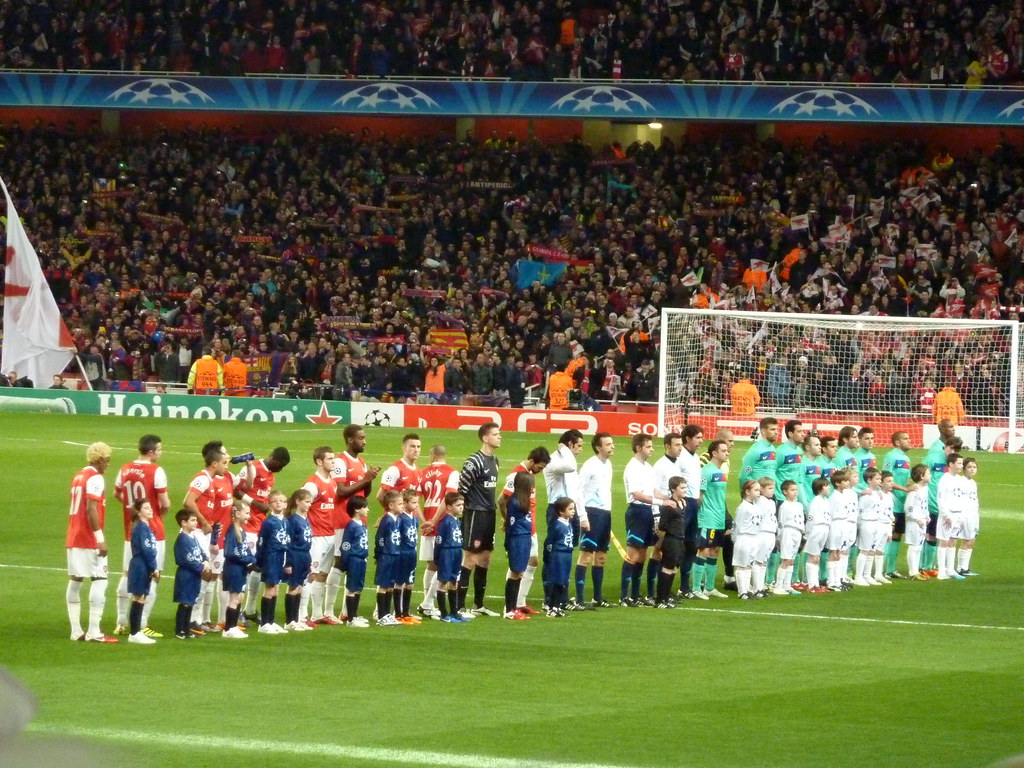
The Premier League and Champions League represent the pinnacle of European club football, attracting millions of bettors worldwide who seek to capitalize on the most competitive matches in the sport. These two tournaments offer distinct betting opportunities, with match-result markets and goal-related wagering dominating international betting activity during club weekends. Understanding the nuances of these markets requires knowledge of team dynamics, historical performance data, and strategic betting approaches that can enhance your wagering experience across both competitions.
Understanding Match-Result Markets in Elite European Football
Match-result markets form the foundation of football betting, particularly during Premier League and Champions League weekends. The three-way market—home win, draw, or away win—remains the most straightforward betting option available to international punters. However, the complexity lies in identifying value within these markets, especially when considering the quality disparity between Premier League clubs and the continental competition presented by Champions League football.
The Premier League features twenty clubs competing in a domestic league format, where consistency and familiarity with opponents create predictable patterns. Teams like Manchester City, Liverpool, Arsenal, and Manchester United have established themselves as consistent contenders, while mid-table and lower-table clubs present varying degrees of unpredictability. Champions League football, conversely, introduces European opposition with different tactical approaches, playing styles, and defensive methodologies that can significantly impact match outcomes.
International betting data consistently demonstrates that match-result markets account for the largest volume of wagering activity during club weekends. Bettors gravitate toward these markets because they offer straightforward predictions without requiring extensive statistical analysis. However, successful betting in these markets demands more than intuition—it requires understanding team form, head-to-head records, injury status, and motivational factors that influence performance.
Goal Markets and Scoring Patterns in Premium Competitions

Total Goals Betting Strategies
Goal markets have emerged as increasingly popular alternatives to traditional match-result wagering, particularly among international bettors seeking higher odds and more nuanced betting opportunities. Over/Under markets, where bettors predict whether the total goals scored will exceed or fall below a specified threshold, typically set at 2.5 goals, attract substantial wagering volume across both Premier League and Champions League fixtures.
The Premier League historically demonstrates higher-scoring matches than Champions League encounters, primarily due to the attacking philosophy prevalent in English football and the consistency of domestic competition. Premier League matches frequently produce three or more goals, making Over 2.5 goals a popular selection for bettors. Champions League football, however, tends toward more defensive, cautious approaches, particularly in knockout stages where teams prioritize advancing over accumulating goals. Understanding these stylistic differences enables bettors to identify value in goal markets across both competitions.
Both Teams to Score Markets
Both Teams to Score (BTTS) markets offer another popular avenue for international bettors, requiring both teams to find the net regardless of the match result. This market appeals to bettors who believe in the attacking capabilities of both sides without necessarily predicting the winner. Premier League fixtures frequently satisfy BTTS conditions due to the league’s open, attacking nature, while Champions League matches, particularly group-stage encounters and knockout matches involving defensive-minded teams, present more selective opportunities for BTTS wagering.
Strategic Approaches for Premier League Betting
Form Analysis and Fixture Scheduling
The Premier League’s congested fixture schedule, particularly during winter months and when cup competitions overlap, creates unique betting opportunities for informed punters. Teams playing their third match in seven days often show fatigue-related performance drops, which astute bettors can exploit through underdog selections or defensive-oriented markets. Conversely, teams with extended rest periods before fixtures may demonstrate enhanced performance levels, justifying favorites in match-result markets.
Recent trends indicate that home advantage remains statistically significant in Premier League football, though less pronounced than historical data suggested. Contemporary betting odds typically reflect this advantage accurately, meaning bettors seeking value must identify situations where home teams are undervalued despite playing at familiar venues. This often occurs when prestigious away teams visit lower-table clubs, with market perception potentially overvaluing the away side’s quality.
Analyzing head-to-head records between Premier League clubs provides valuable context for match-result predictions. Some teams develop psychological advantages over opponents despite broader quality disparities, creating betting value when these dynamics are underrepresented in odds. Additionally, tactical matchups—how specific teams’ playing styles interact—significantly influence outcomes, requiring bettors to move beyond simple ranking systems and consider strategic compatibility.
Champions League Betting Considerations and European Dynamics
Champions League betting demands different analytical frameworks than domestic league wagering, as European competition introduces teams with varying playing philosophies, tactical approaches, and competitive standards. A team dominating domestically may struggle against technically superior European opposition, while domestic underdogs occasionally perform admirably against elite continental clubs due to tactical flexibility or European experience.
Group-stage matches in the Champions League often feature significant quality disparities, with elite clubs facing weaker opposition from smaller leagues. These fixtures typically generate one-sided odds, limiting value for bettors seeking favorable risk-reward ratios. However, knockout stages introduce more balanced matchups where draw odds increase substantially, reflecting genuine uncertainty about progression. International betting demand concentrates on these knockout fixtures, where match-result markets attract heightened wagering activity and volatility.
Historical performance in European competition provides crucial context for Champions League betting. Teams with extensive Champions League experience demonstrate greater consistency in high-pressure situations, while clubs appearing infrequently in continental competition may underperform relative to their domestic standing. Bettors should consider European pedigree alongside current season form when evaluating match-result markets in Champions League fixtures.
Managing Betting Activity During Club Weekends
International betting data reveals that wagering volume during club weekends remains remarkably consistent, with international breaks producing only marginal decreases in overall betting activity. This consistency reflects the global appeal of Premier League and Champions League football, where international audiences maintain engagement regardless of calendar disruptions. Bettors should recognize that betting markets remain liquid and competitive throughout the season, enabling consistent implementation of strategic approaches.
Successful betting during club weekends requires disciplined bankroll management and consistent application of predetermined selection criteria. Many bettors increase wager sizes during premium fixtures featuring elite teams, potentially compromising long-term profitability through emotional decision-making. Maintaining consistent unit sizes relative to bankroll ensures sustainable betting practices regardless of fixture prestige or perceived certainty.
Market movement patterns during Premier League and Champions League weekends provide valuable information for observant bettors. Significant odds movements in the hours before kickoff often reflect professional or informed betting activity, suggesting market recalibration toward genuine probabilities. Bettors should recognize these movements as potential indicators of value shifts rather than opportunities to chase favorable prices before matches commence.
Integrating Data and Intuition for Informed Wagering
Modern football betting increasingly emphasizes statistical analysis and data-driven decision-making, yet successful bettors recognize that intuitive understanding of the sport remains valuable. Combining quantitative analysis—expected goals, possession metrics, defensive efficiency—with qualitative assessment of team motivation, tactical preparation, and psychological factors creates comprehensive betting frameworks. This integration proves particularly important in Premier League and Champions League betting, where subtle contextual factors frequently determine outcomes.
Bettors should establish consistent research methodologies that incorporate multiple information sources while remaining skeptical of overconfident predictions or guaranteed outcomes. Football remains inherently unpredictable, and even elite teams experience unexpected defeats against inferior opposition. Accepting this uncertainty while implementing disciplined betting strategies represents the path toward sustainable, long-term wagering success.
When engaging with Premier League and Champions League betting markets, remember that responsible gambling practices must always take priority. Set predetermined betting limits before matches commence, never wager more than you can afford to lose, and view betting as entertainment rather than income generation. If gambling begins affecting your financial stability or mental wellbeing, seek support from gambling addiction resources and consider implementing self-exclusion measures. Betting should enhance your enjoyment of football, not create stress or financial hardship.

Written by